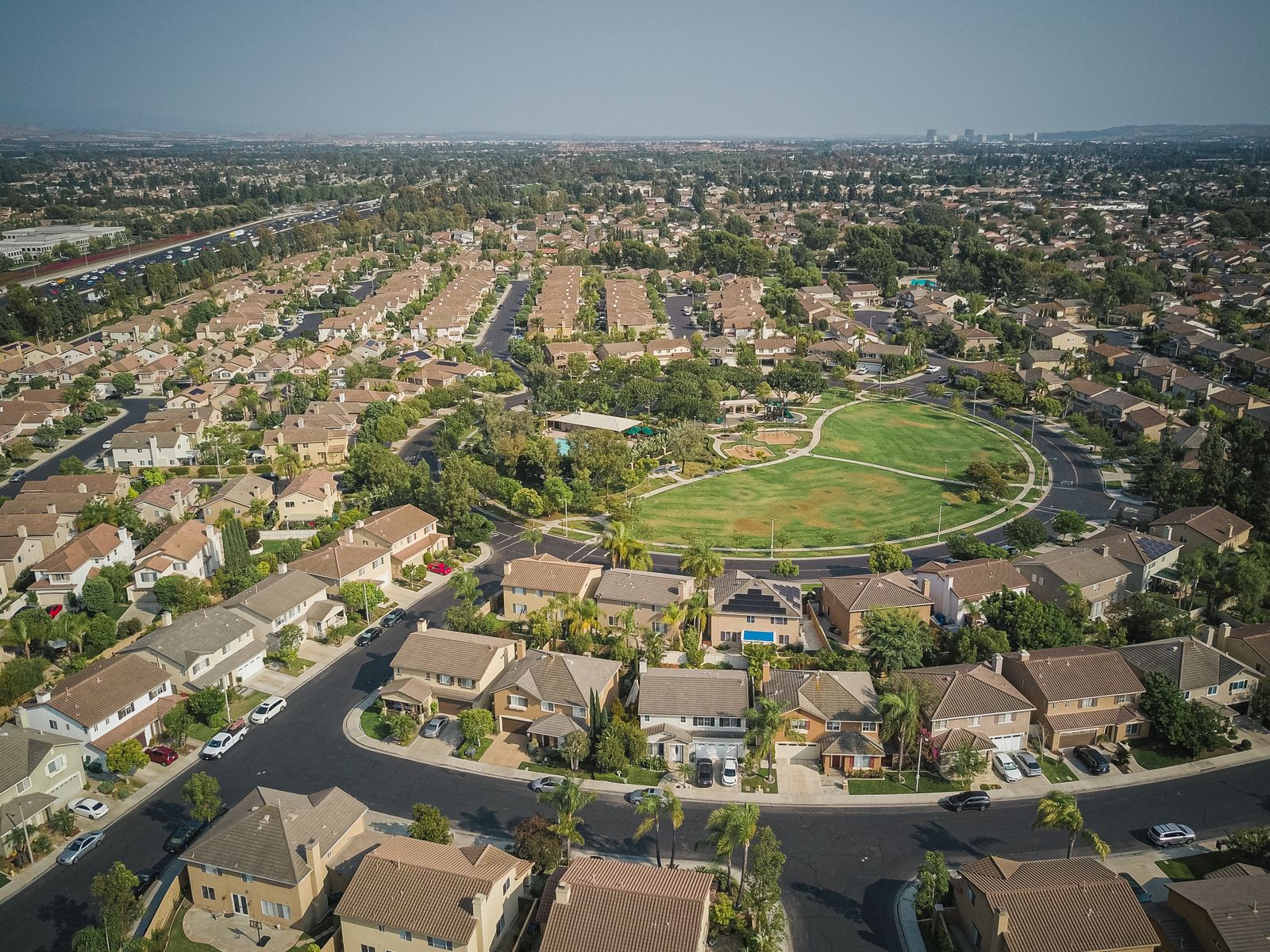
Out here the water line is not a short hop from the curb. On many South Hanover Township properties it crosses a front lawn, slips under a long driveway and keeps going to a house set well back from the road. More pipe means more places for trouble to hide.
The first signs are quiet ones: faded pressure, a creeping water bill, a patch of yard that stays damp in a dry week. If that sounds familiar, one call gets a main water line pro looking at it in the 17036 area.
Subdivisions, farm lots and the long walk from meter to house
North and east of the borough, the township is a patchwork. There are established subdivisions from the 1960s through the 2000s, plus farmland carved up one parcel at a time.
What most of these properties share is distance. Setbacks are deeper than in the old borough, so the line from the street or meter pit to the house runs longer. It often passes under beds, mature trees and a driveway poured years after the pipe. Lines here were often laid decades ago, so plans and memories of exactly where a line runs can be thin.
One plain note on scope: homes on a private well are outside what we handle. We deal with main water lines fed by a water provider.
 South Hanover Township
Where a long private line tends to fail
Age matters, but so does geometry. Older subdivision lines can be galvanized steel or early plastics, and those tend to behave differently from newer pipe. Corrosion narrows steel and can open a pinhole.
Winter plays its part. Freeze-thaw cycles move the ground and can stress a line near a driveway edge year after year. Roots seek moisture and can lean on a pipe.
Ownership is worth a look before you spend anything. Homeowners are usually responsible for the private side, from the meter, curb stop or property line to the house, but the split varies, so check with your water provider. If the problem sits on the provider side, the technician will say so.
What the technician checks first on a property like yours
The first questions are about the house: roughly when it was built, where the line enters, whether anyone has repaired it. Then comes the meter, to confirm whether water moves through it with everything inside off.
Outdoors, soft ground, unusually green grass or a spot that settles after rain narrows the search. If the symptom is weak flow, the technician rules out simple causes such as a partly closed valve before pointing at the pipe. Our guide to low pressure traced back to the main line walks through that sequence.
When the leak is a single failed spot, a targeted dig and a spot repair on the line may be enough. A pipe worn along its length points toward replacing it. On a lot with a long driveway, mature trees or a finished patio, trenchless replacement is worth asking about, though fit depends on your lot and the pipe.
Talk it through with someone who has seen this before.
From first call to a running tap
You describe what is happening. Someone answering around the clock asks a few simple questions about the house and symptoms, and tells you what to do while you wait. Where available, same-day dispatch sends a technician. The price is explained upfront with no hidden fees before work begins, and completed work carries a workmanship guarantee. Permit requirements vary by municipality; the technician explains what applies to your job.
Neighbours we also cover
The same crews work the canal-era streets of Union Deposit on the south-east edge, where lots are smaller. They also serve the Hummelstown-address subdivisions in Derry Township, where driveways and hardscape often sit over the line.